
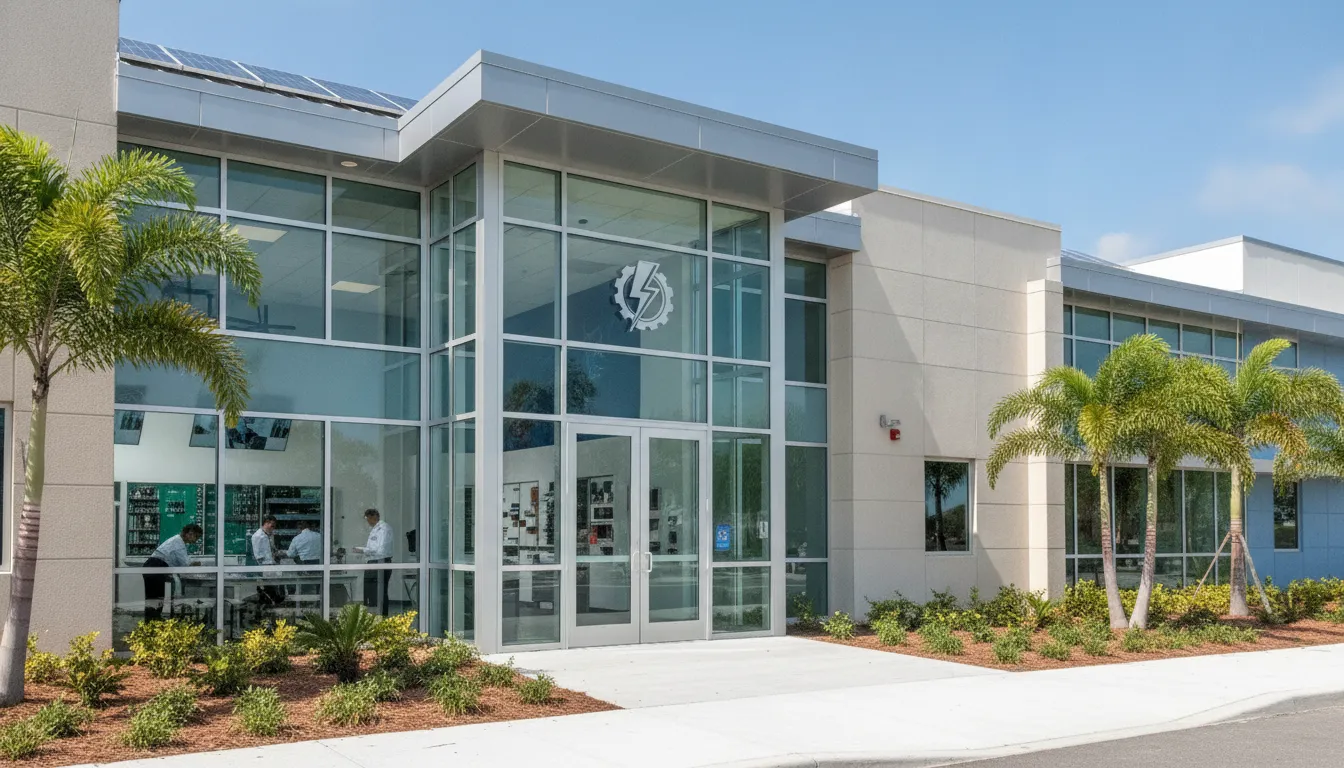
A career change does not require years of uncertainty before you can begin building new skills. Short-term career training may provide a focused way to learn the fundamentals of electrical work while preparing for entry-level opportunities. At an electrical technology school in Fort Myers, you can study topics such as circuits, components, wiring methods, electrical panels, motors, controls, measurements, troubleshooting, and job-site safety. Hands-on practice can help you become more comfortable with tools and technical tasks. When comparing schools, consider whether the program offers instructor feedback, recognized credentials, financial aid guidance, and career preparation that supports your next step.
Key Takeaways
- Match the program to your goals: Compare Electrical Technology, Electrical Assisting, HVAC/R, and mechanical construction based on your interests, timeline, eligibility, and preferred work setting.
- Prioritize practical preparation: Choose training that includes supervised lab work, electrical theory, wiring, troubleshooting, safety practices, and industry-recognized credentials.
- Review costs and support before enrolling: Confirm admission requirements, tuition, supplies, financial-aid options, class schedules, campus resources, and career services with Florida Academy.
What Programs Does an Electrical Technology School in Fort Myers Offer?
Electrical training can lead to several career paths. Some students want broad preparation for installation, maintenance, and service work. Others need a shorter route into the trade or qualify for a focused program created for military-connected learners. Comparing program length, curriculum, credentials, and career goals can help you choose the right starting point.
Florida Academy offers electrical training alongside related trade programs, including HVAC/R and mechanical construction. Each option combines classroom instruction with practical training, giving students opportunities to connect technical concepts with real workplace tasks. Students can review the school’s trade and industrial programs to compare their options in one place.
An electrical technology program may be a good fit if you want a broader foundation in electrical systems and hope to pursue several entry-level roles. An electrical assisting program may suit you if you qualify and want focused training that can be completed in a shorter period. Related HVAC/R and mechanical construction programs offer additional choices for students interested in hands-on work involving building systems, equipment, and construction projects.
Before enrolling, consider the type of work you want to perform, the amount of training you need, your schedule, and any military-benefit eligibility. You should also ask about program requirements, available financial assistance, included materials, and the credentials awarded after completion.
Florida Academy’s Electrical Technology Program
Florida Academy’s Electrical Technology program prepares students for entry-level opportunities in the electrical industry, which continues to support construction, maintenance, and service work across Southwest Florida. The program offers broader preparation for students who want to develop a foundation in electrical systems and pursue several possible career directions.
Students may prepare for roles such as electrical technician, communications technician, and field service technician. Training can introduce electrical theory, components, wiring methods, tools, measurements, safety procedures, and troubleshooting. These topics can help students understand how electrical systems work and how technicians identify and address common issues.
The program may suit career changers, recent graduates, and other learners who want structured instruction before seeking work in the field. Students can review the Electrical Technology program for information about the curriculum, admissions requirements, program length, and credentials.
Because electrical work requires precision, students should look for training that includes both technical instruction and supervised practice. Hands-on learning can help reinforce classroom lessons while developing careful work habits that apply to residential, commercial, and construction environments.
Florida Academy’s Electrical Assisting Program
Florida Academy’s Electrical Assistant Program provides a focused training option for veterans, active-duty service members, and eligible dependents. The program can be completed in as little as four weeks, making it a practical choice for eligible students who want concentrated preparation for an entry-level role in the electrical trade.
Students learn about residential and commercial electrical work through hands-on instruction. Lessons may cover basic job-site procedures, tool use, electrical tasks, safety practices, and the responsibilities of supporting electricians and construction teams. This type of training can help students build a foundation before seeking employment or continuing their education.
After completing the program, students earn a Florida Academy Electrical Assistant Diploma and NCCER credentials. NCCER credentials are recognized across the skilled trades and may be useful when applying for jobs or pursuing additional training.
Eligibility is an important consideration because this program is intended for specific military-connected learners. Review the Electrical Assistant Program to learn more about eligibility, training content, completion requirements, and available support.
Related HVAC/R and Mechanical Construction Programs
Electrical systems connect with many other systems found in homes, businesses, and construction projects. HVAC/R technicians, for example, may work with electrical controls, motors, wiring, and diagnostic equipment. Mechanical construction workers may also need to understand how electrical, mechanical, and building systems work together on a job site.
Florida Academy offers HVAC/R and mechanical construction programs through its trade and industrial training options. These programs give students additional choices if they enjoy practical work but are still deciding which skilled trade matches their interests and strengths.
Think about the tasks you would like to perform each day. Electrical technology may appeal to students who enjoy circuits, wiring, testing, and troubleshooting. HVAC/R may be a better match for those interested in heating, cooling, refrigeration, and climate-control equipment. Mechanical construction may suit students who prefer working with equipment, building systems, and larger construction projects.
Comparing course content, hands-on facilities, program schedules, and career services can make the decision easier. Admissions staff can also explain how each program differs and which option may fit your experience and goals.
Compare Electrical Technology and Electrical Assisting
Electrical Technology and Electrical Assisting both emphasize practical training, but they are designed for different needs. The Electrical Technology program offers broader preparation for electrical work and may be a better fit for students who want a more extensive foundation before pursuing entry-level employment or additional credentials.
The Electrical Assistant Program is more concentrated and can be completed in as little as four weeks. It focuses on residential and commercial electrical work and is available to veterans, active-duty service members, and eligible dependents who meet the program requirements.
When comparing the two options, consider your preferred timeline, career plans, previous experience, and eligibility. A student seeking broader training may prefer Electrical Technology, while an eligible military-connected student seeking a shorter program may prefer Electrical Assisting.
You should also ask admissions staff about class schedules, tuition, supplies, assessments, credentials, and the types of roles each program may support. Reviewing the Electrical Technology training information alongside the Electrical Assistant Program details can help you make a more informed comparison.
Complete Short-Term, Hands-On Campus Training
Electrical work involves practical tasks that cannot be learned fully by reading about wiring, tools, or safety procedures. Students need opportunities to handle equipment, follow instructions, interpret technical information, and practice tasks under supervision. Campus-based training provides a structured setting for this type of learning.
Florida Academy combines classroom instruction with hands-on practice. Students can connect technical concepts with practical activities involving electrical components, measuring equipment, wiring methods, safety procedures, and basic troubleshooting. Instructor feedback can help students correct mistakes, improve accuracy, and build confidence with unfamiliar tools.
Short-term, campus-based training may be useful for career changers and students who want a focused path into a skilled trade. It also gives learners the chance to develop workplace habits such as following procedures, maintaining an organized work area, and completing tasks carefully.
Before enrolling, ask how much time students spend in labs, what equipment they use, and how instructors assess practical skills. Learn more about Florida Academy’s history and mission to understand its career-focused approach to education.
Earn Diplomas and NCCER Credentials While Preparing for Florida Licensing
Credentials provide a record of the education and training you complete. Students in Florida Academy’s Electrical Assistant Program earn a Florida Academy Electrical Assistant Diploma and NCCER credentials. Because NCCER credentials are nationally recognized and portable within the skilled trades, they may support applications for entry-level positions or additional training.
Students in the Electrical Technology program also earn a diploma and NCCER credentials. Their coursework introduces electrical knowledge and practical skills related to tools, systems, safety, wiring, and industry practices. The program also helps students prepare for the expectations associated with electrical work in Florida.
Completing a school program does not automatically grant a state or local electrical license. Licensing requirements may depend on the type of work, location, experience, examinations, and other conditions. Students should ask the school which subjects support licensing preparation and confirm current requirements with the appropriate Florida licensing authority.
A background check may also be required. Florida Academy states that Electrical Technology students must submit a valid background check completed no more than 12 months before the anticipated program start date. Review the Electrical Technology program requirements before applying so you can prepare the necessary documents.
What Admission Requirements Apply to Electrical Technology School in Fort Myers?
Applying to an electrical technology program involves more than completing an online form. You’ll need to confirm that you meet the school’s basic education and age requirements, provide identification, complete an interview, and submit the documents required for enrollment. You’ll also need to complete a background check and meet with the appropriate financial aid or bursar representative before classes begin.
Florida Academy’s Electrical Technology program requirements explain the main steps prospective students should prepare for. Start by gathering your records, reviewing the enrollment details, and writing down questions about tuition, schedules, hands-on training, supplies, and career support. Completing each requirement in the correct order can help prevent delays and give you a clearer understanding of what to expect.
You do not need to figure out the process alone. The admissions team can explain which documents to submit, how to schedule your interview, and what deadlines apply to your anticipated start date. If you are comparing programs, ask how the curriculum, campus training, credentials, and student services align with your career plans.
Meet Age and High School Diploma or GED Requirements
Applicants must meet the program’s age requirement and provide proof of their educational background. This usually includes a high school diploma or an accepted equivalent, such as a GED with a passing score. These documents help Florida Academy confirm that you meet the basic admission standards for career training.
Locate your diploma, GED record, or other required educational documents before applying. If you earned your credential outside the United States, ask the admissions team whether additional verification or evaluation is necessary. You should also confirm which forms of documentation the school accepts.
Previous electrical experience is not required to begin learning the fundamentals. The program introduces key concepts and practical skills through instruction and hands-on training. If you are changing careers or entering the skilled trades for the first time, discuss your background and goals with admissions so you understand how the program fits your plans.
Complete a Personal or Virtual Interview
Prospective students must complete a personal or virtual interview with the admissions department. This conversation helps the school learn more about your interests, experience, schedule, and reasons for pursuing electrical technology. It also gives you time to discuss what you want from your training.
Prepare a few questions before the interview. You might ask how students practice wiring and troubleshooting, what tools or supplies they need, how practical assessments work, and what attendance expectations apply. It is also helpful to ask about program length and available class schedules.
Use the interview to decide whether the learning environment matches your needs. Be honest about your career goals, transportation, work responsibilities, and preferred start date. A clear conversation with admissions can help you make an informed decision and identify any steps you need to complete before enrollment.
Submit an Application, Photo ID, and Enrollment Agreement
The admission process includes submitting a completed application, valid photo identification, and a signed Enrollment Agreement. Your photo ID helps verify your identity, while the Enrollment Agreement records important details about your program and enrollment.
Read the agreement carefully before signing. Review the program name, anticipated start date, attendance expectations, charges, payment arrangements, and policies that apply to your enrollment. If any section is unclear, ask the admissions, financial aid, or bursar team for an explanation before you sign.
You may also need to submit supporting documents, including proof of your high school diploma or GED. Keep copies of everything you provide, both digitally and on paper. An organized file can make it easier to answer follow-up questions and track your progress through the admission process.
Complete a Background Check Within 12 Months of Enrollment
Applicants must complete a background check no earlier than 12 months before their anticipated program start date. Pay close attention to this timing requirement. Completing the check too early may mean that the report no longer meets the school’s policy when your program begins.
Ask admissions which provider or process to use, what identification you need, and how the results should be submitted. You should also confirm whether a previous background check can be accepted or if you must complete a new one through the school’s approved process.
Plan this step around your anticipated start date, but do not wait until the last minute. If you have questions about information in your record, speak with admissions before selecting a start date. The team can explain the required process and help you identify any potential enrollment delays.
Meet With Financial Aid or the Bursar
Before beginning the program, students must meet with a Financial Aid representative and/or the Bursar, when applicable. This meeting gives you a chance to review tuition, fees, payment responsibilities, available funding options, and deadlines connected to enrollment.
Bring questions about books, tools, uniforms, supplies, and other costs that may not be included in tuition. If you plan to apply for financial aid, ask which forms and documents you need to submit and when they are due. Students considering scholarships or military education benefits should also ask how those resources may apply to their training.
Florida Academy offers financial aid and enrollment support for prospective students. Your meeting is the right time to discuss your individual circumstances and create a practical plan for paying for school. Do not hesitate to ask for a written breakdown of expected charges and payment dates.
Apply Online, Tour the Campus, and Plan Your Start Date
You can begin by submitting an online application and connecting with the admissions team. Scheduling a campus tour can also help you understand the learning environment before you enroll. During the visit, look at the classrooms, labs, tools, and other facilities used for practical instruction.
Ask where electrical technology students complete hands-on training and how lab activities connect to classroom lessons. You can also discuss class schedules, transportation, attendance expectations, program pacing, and any supplies you should obtain before classes begin.
After completing the admission requirements, work with admissions to choose a start date that fits your schedule. Allow enough time to submit documents, complete your interview and background check, meet with financial aid or the Bursar, and prepare for the first day. A clear enrollment plan can help you begin training with fewer distractions and a better understanding of what comes next.
What Skills Will You Gain at an Electrical Technology School in Fort Myers?
An electrical technology program should prepare you for more than passing exams. It should help you build the technical knowledge, practical skills, and safety habits needed for entry-level work in residential, commercial, and industrial settings. At Florida Academy, classroom lessons are paired with hands-on training so you can practice applying electrical concepts in supervised, realistic situations.
The school’s Electrical Technology program covers electrical systems, wiring, motors, controls, panels, installation methods, and maintenance. You can also develop skills that employers value, including reading technical information, using tools correctly, troubleshooting equipment, and working safely around active construction sites.
Whether you are starting your first trade career or changing professional direction, practical training can help you understand what electrical work involves before you enter the field. Here are some of the skills you may develop at an electrical technology school in Fort Myers.
Learn Electrical Theory, Circuits, Components, and Measurements
Electrical work starts with understanding how electricity behaves. Your training may cover foundational concepts such as voltage, current, resistance, power, and circuit operation. These principles help explain why a system works, what can cause it to fail, and how to approach a task safely.
You may also study common components, including conductors, switches, receptacles, breakers, transformers, motors, and control devices. Measurement skills are equally important. Learning to take and interpret readings with electrical meters can help you determine whether a circuit is operating correctly and where a problem may be located.
A solid theory foundation gives you a reliable starting point when you encounter unfamiliar equipment. Instead of guessing, you can connect what you observe in the field to the concepts you practiced in class.
Use Tools, Meters, Wiring Methods, and Installation Practices
Electrical training introduces you to the hand tools, power tools, and testing equipment used on job sites. You may practice using wire strippers, cutters, crimpers, screwdrivers, drills, conduit tools, and electrical meters. Learning how to select and handle each tool correctly can protect you, your coworkers, and the equipment.
You may also practice wiring methods and installation procedures. These tasks can include preparing conductors, making secure connections, routing wires, installing devices, and organizing components inside electrical panels. Precise workmanship matters because loose connections, damaged insulation, and unsupported wiring can create safety and performance problems.
Florida Academy describes training in residential, commercial, and industrial wiring, along with DC and AC motors, controls, and electrical panels. Review the school’s electrical training overview to learn more about the systems and equipment covered.
Apply Skills to Residential, Commercial, and Construction Projects
Electrical systems differ based on the building, equipment, and project requirements. A residential assignment may involve lighting, outlets, branch circuits, and service panels. Commercial work can include larger systems, more detailed layouts, and coordination with multiple trades. Construction projects also require careful scheduling, communication, and attention to changing site conditions.
Hands-on instruction helps connect classroom concepts to these work environments. You may practice identifying components, organizing materials, following installation steps, and completing tasks in the correct order. This experience can help you understand how electrical work fits into a larger construction project.
Florida Academy’s Electrical Assistant program is designed to develop technical understanding and practical competency. Working under supervision gives you the opportunity to ask questions, correct errors, and build dependable work habits before seeking an entry-level position.
Read Blueprints and Technical Documents
Electrical professionals use blueprints, wiring diagrams, equipment manuals, specifications, and other technical documents throughout a project. These materials show where components belong, how systems connect, and which requirements apply to an installation.
At an electrical technology school, you can practice recognizing electrical symbols, tracing circuits, reading dimensions, and interpreting diagrams. You may also learn to compare a planned installation with completed work. This can help you identify discrepancies before they result in delays, rework, or equipment problems.
Technical documents also support communication. When you understand the drawings and specifications, you can discuss a project more clearly with supervisors, contractors, inspectors, and workers in other trades. Florida Academy’s trade and industrial programs focus on preparing students for the knowledge and skills used in real work environments.
Test, Troubleshoot, Repair, and Maintain Electrical Systems
Troubleshooting calls for a careful, step-by-step process. Instead of replacing parts at random, you can learn to observe symptoms, review the system, test components, and narrow down possible causes. Meters and other diagnostic tools help you determine whether a circuit, connection, motor, or control is working properly.
Training may also cover repair and maintenance procedures for electrical equipment and systems. You can practice identifying damaged or worn components, making appropriate repairs, checking connections, and confirming that equipment operates as expected after service.
These skills apply to both new construction and existing buildings. Electrical workers may help respond to equipment failures, perform scheduled maintenance, or keep systems operating safely. Florida Academy’s electrical training includes installing, operating, maintaining, and repairing electrical equipment, giving students a practical foundation for entry-level industry work.
Follow the National Electrical Code and Job-Site Safety Practices
Safety is part of every electrical task, from preparing a work area to testing a completed installation. Training may cover electrical hazards, personal protective equipment, lockout and tagout awareness, safe tool use, and procedures for working around energized equipment. You can also learn when to stop and ask a supervisor or licensed professional for guidance.
The National Electrical Code provides widely used requirements for electrical installations, including wiring methods, grounding, equipment, and other safety considerations. Learning how to reference code requirements can help you understand proper installation practices and recognize when work must be reviewed by a qualified professional or inspector. The National Electrical Code information from the National Fire Protection Association offers additional background.
Job-site safety extends beyond electrical shock prevention. Construction workers must also watch for falls, fire hazards, moving equipment, confined spaces, and other risks. Florida Academy’s Electrical Assistant program may prepare eligible students for NCCER Core, NCCER Electrical Level 1, and the OSHA 10-Hour Survey Card, subject to program requirements and successful completion.
Complete Hands-On Labs, Supervised Practice, and Practical Assessments
Practical training gives you time to use the concepts covered in class. In campus labs, you may work with wiring, panels, motors, controls, meters, and other equipment while following instructor demonstrations and safety procedures. Repeated practice can help you become more comfortable with tools and more precise with connections and measurements.
Supervised practice also gives instructors an opportunity to provide direct feedback. They can identify an unsafe habit, demonstrate a more effective technique, or help you understand why a system is not operating as expected. This guidance is especially helpful when you are learning a task for the first time.
Practical assessments may evaluate how well you interpret instructions, choose tools, complete wiring tasks, test a system, and maintain a safe work area. Florida Academy combines classroom instruction with hands-on career training, helping students prepare for the expectations of electrical and construction employers.
Understand Electrical Technology Costs, Financial Aid, and Funding
The cost of electrical training includes more than tuition. Before enrolling, review every expense connected to the program, including enrollment fees, books, tools, uniforms, supplies, background checks, transportation, and any required testing. Requesting a complete estimate can help you compare schools accurately and avoid unexpected bills after classes begin.
Florida Academy can help you review program requirements, funding options, and payment expectations before you choose a start date. Begin with the school’s Electrical Technology program information, then speak with admissions and financial aid staff about your specific circumstances. They can explain which expenses are required, when payments are due, and what documents you need to complete enrollment.
Review Tuition, Enrollment Fees, and School Charges
Ask for a written breakdown of tuition and all required school charges. Costs can vary significantly by career path. A third-party overview lists Florida Academy tuition ranging from $3,960 for Nail Technology to $16,500 for Cosmetology, with other programs falling between those amounts. Electrical Technology tuition may differ, so request the current program cost directly from the school instead of relying on a general estimate.
Ask whether the quoted price includes registration, instruction, lab access, testing, and required materials. You should also confirm which fees are refundable, when each payment is due, and whether the school charges for late payments or schedule changes. An itemized estimate gives you a clearer picture of the total cost and makes monthly budgeting easier.
Budget for Tools, Books, Uniforms, Supplies, and Background Checks
Electrical training may require tools and materials that you will use during lab practice and on future job sites. Ask whether you need to purchase hand tools, books, work clothing, safety equipment, or other supplies. Find out which items Florida Academy provides and which ones you must purchase before your first class.
Include administrative requirements in your estimate. Students in Florida Academy’s Electrical Technology program must submit a valid background check completed no earlier than 12 months before the anticipated program start date. Review the program’s admission requirements and ask whether the background check, supplies, and other required expenses appear in your enrollment estimate.
Explore Financial Aid, Scholarships, and Military Benefits
Ask Florida Academy’s financial aid team which options may be available to you. Depending on your eligibility, possible resources may include grants, scholarships, federal or state assistance, payment plans, and military education benefits. Each option may have different deadlines and documentation requirements, so start the process early and keep copies of every form you submit.
Do not assume that funding will cover every expense. Ask whether an award or benefit applies only to tuition or also helps pay for books, tools, uniforms, and other supplies. Florida Academy offers financial aid guidance and student support, while an admissions representative can explain the steps to complete before enrollment.
Plan Payment Schedules and Address Funding Gaps
After estimating your total cost, create a payment plan that accounts for your income and regular expenses. List your expected financial aid, personal savings, employer assistance, and remaining balance. Then compare that balance with each payment deadline. This process can show you early whether you need additional funding or a different start date.
Schedule an initial meeting with a financial aid representative or bursar, as applicable. Ask what happens if financial aid is delayed, a payment is missed, or your circumstances change. If you still have a funding gap, discuss approved payment arrangements and practical ways to manage upfront costs without skipping required tools, supplies, or other program materials.
Ask the Financial Aid Office and Bursar Key Questions
Bring a written list of questions to your meeting with the financial aid office or bursar. Ask for the program’s estimated total cost, the amount due before classes begin, available payment plans, and deadlines for completing financial aid paperwork. Also ask how withdrawals, cancellations, refunds, or enrollment changes could affect your balance.
Admissions may require a personal or virtual interview as part of the enrollment process. Use that conversation to confirm your intended program, expected schedule, required documents, and target start date. Speaking with the Electrical Technology admissions team before signing an enrollment agreement can help you understand your responsibilities.
Compare Total Costs, Program Length, and Career Support
The school with the lowest advertised tuition may not have the lowest overall cost. Compare what each program includes, how long training takes, whether you must purchase equipment, and how much you will spend traveling to campus. A shorter program may also limit the amount of time you need to take away from work, while campus-based labs give you opportunities to practice under supervision.
Career support should also factor into your comparison. Look for resume guidance, interview preparation, employer connections, and placement assistance alongside classroom and lab instruction. Florida Academy combines classroom learning with hands-on career preparation. Its career services can help you prepare for the job search and understand the support available after training.
How Can You Compare Electrical Technology Schools in Fort Myers?
Choosing an electrical technology school involves more than comparing program names or advertised tuition. Look at the complete training experience, including the curriculum, hands-on practice, instructor support, admissions process, schedule, and career services. The right program should give you a clear path from enrollment to entry-level employment.
Start with each school’s official program information, then ask questions that help you compare the details. Review the length of training, included supplies, graduation requirements, available financial-aid resources, and support after graduation. You can also explore Florida Academy’s Electrical Technology program to learn more about its training format, admissions requirements, and potential career paths.
A campus visit can make the comparison easier. Seeing the classrooms, labs, tools, and student support areas can tell you more than a program brochure. Speak with admissions staff, ask to meet an instructor if available, and consider whether the school’s schedule fits your work and family responsibilities.
Review Florida Academy’s Licensed and Accredited Career-School Model
Start by confirming that each school operates as a licensed and accredited career institution. These designations can provide information about educational oversight, school standards, and eligibility for certain financial-aid resources. They also help you distinguish a structured career program from a short course with limited instruction or student support.
Florida Academy was founded in 1990 and offers career-focused training in Fort Myers, including Electrical Technology and other skilled-trade programs. Its model combines classroom education, hands-on practice, career preparation, and guidance throughout the admissions process. Review the school’s history and mission to understand its approach to professional training and student preparation.
When comparing schools, ask which agency or organization provides oversight and whether the school can explain its current status. You should also ask how that status affects financial-aid options, program documentation, and your diploma or credential after graduation.
Compare Curriculum, Credentials, and Code Preparation
Read the curriculum carefully instead of relying only on the program title. Look for instruction in electrical theory, circuits, components, measurements, wiring methods, installation practices, troubleshooting, maintenance, and workplace safety. A well-rounded program should connect classroom concepts to the tasks you may perform on a residential, commercial, or construction job site.
Ask how the program addresses the National Electrical Code and Florida-specific expectations. You should also confirm whether you will receive a diploma, prepare for an industry credential, or gain skills that support entry-level employment. Florida Academy identifies potential career paths such as electrical technician, communications technician, field service technician, lab technician, and electrical component sales representative.
Review the course sequence and ask how instructors measure progress. Practical assessments, written tests, and supervised lab work can show whether you are ready to apply the skills covered in class. If a school does not clearly explain its curriculum or graduation requirements, ask for more detail before enrolling.
Evaluate Labs, Tools, Equipment, and Instructor Feedback
Electrical work requires practice, so ask what you will do during lab sessions. Find out whether students work with wiring systems, electrical components, meters, hand tools, and other equipment used in the trade. Hands-on instruction can help you connect technical concepts with the physical steps involved in installation, testing, repair, and maintenance.
Also ask how instructors supervise lab activities and assess your work. Will you receive individual feedback when you make a wiring or measurement error? Can you repeat a task until you demonstrate it safely and correctly? These details matter because electrical skills develop through careful practice and correction.
Florida Academy combines classroom learning with hands-on training. During a campus visit, look at the condition and availability of lab equipment. Ask whether students work individually or in groups, how often they use the tools, and whether the equipment reflects the types of materials and systems used in entry-level electrical work.
Consider Class Size, Attendance, and Student Support
Class size can affect how much guidance you receive during instruction and lab practice. Ask how many students typically work with each instructor, how questions are handled, and whether students can receive additional help with difficult topics. Individual feedback can be especially helpful when you are learning technical material for the first time.
You should also understand the attendance policy before enrolling. Electrical programs often include demonstrations, supervised labs, and practical assessments that may be difficult to recreate outside class. Ask how the school handles absences, make-up work, transportation problems, and schedule changes.
Florida Academy has an open admissions policy, but students still need to meet the program’s enrollment requirements. Ask the admissions team how academic concerns, attendance issues, and other challenges are addressed. A supportive school should explain expectations clearly and connect students with the right resources when questions arise.
Compare Schedules, Commutes, and Campus Fit
A program may look appealing on paper, but the schedule and commute need to work with your responsibilities. Ask whether classes are offered during the day, evening, or on another schedule that fits your work and family commitments. Estimate travel time, parking costs, fuel expenses, and the effect of commuting on your attendance.
Visit the campus if possible and pay attention to the classroom and lab environment. Look at the condition of the equipment, the organization of the learning spaces, and how staff interact with students. You can also ask whether students have access to quiet areas for studying or additional support outside scheduled class time.
Florida Academy allows prospective students to schedule a campus tour for a closer look at the school and Electrical Technology program. Use the visit to ask practical questions about parking, daily schedules, lab access, and the typical student experience. A campus that feels accessible and comfortable may make it easier to stay engaged throughout training.
Review Admissions Flexibility and Enrollment Support
Compare the admissions process at each school so you know which documents and steps to prepare. Florida Academy’s Electrical Technology program requires proof of a high school diploma, an equivalent credential, or a passing GED score. Applicants also participate in a personal or virtual interview with the admissions department.
You may need to submit an application, valid photo identification, and an enrollment agreement. Florida Academy also requires a valid background check completed no earlier than 12 months before the anticipated program start date. Ask the admissions team when each item is due and whether an incomplete document could affect your start date.
Admissions staff should explain the process without leaving you to guess about the next step. You can apply online through Florida Academy and contact the admissions team with questions about documentation, start dates, campus tours, or enrollment appointments. Early communication can help you organize your application and address missing information.
Assess Employer Partnerships, Career Services, and Placement Assistance
Career preparation should continue beyond classroom instruction. Ask whether the school helps students create resumes, prepare for interviews, search for openings, and communicate with employers. You can also ask whether the school maintains employer partnerships or shares job leads with graduates.
Florida Academy offers career services to help students prepare for employment. Support may include career-readiness guidance, employer connections, and career placement assistance. When comparing schools, ask how these services work in practice rather than relying on a general promise of job support.
Find out when career services begin, whether appointments are available after graduation, and whether staff can help you identify suitable entry-level roles. Ask whether the school helps students present hands-on training and industry credentials clearly on a resume. These services can be useful as you begin applying for electrical technician, electrical assistant, maintenance, or construction-related positions.
Ask Key Questions Before Choosing an Electrical Training Program
Before you enroll, write down your questions and ask each school for specific answers. Consider asking:
- How long does the Electrical Technology program take to complete?
- What topics and practical skills are covered?
- How much time do students spend in hands-on labs?
- What tools, books, uniforms, and supplies will I need?
- What diploma or credentials will I receive?
- How does the program address electrical codes and job-site safety?
- What are the attendance, make-up work, and graduation requirements?
- What financial-aid, scholarship, or military-benefit resources are available?
- Can I tour the campus before making a decision?
- What career services and placement assistance are available during and after training?
Ask for written information about tuition, fees, program length, required supplies, and enrollment deadlines. If a school gives you unclear or conflicting answers, request clarification before signing an enrollment agreement.
Finally, compare each program with your career goals, schedule, budget, and preferred learning environment. A careful review can help you choose electrical training that offers the instruction, practice, and support you need to begin working toward a career in the skilled trades.
What Careers Can You Pursue After Electrical Technology School in Fort Myers?
Electrical technology training can prepare you for several entry-level career paths. The skills you develop with wiring, electrical components, measurements, troubleshooting, safety procedures, and technical documents may apply to residential construction, commercial projects, maintenance departments, service companies, and related technical industries.
Your first job will depend on your education, hands-on experience, credentials, and each employer’s requirements. Some graduates begin as electrical helpers or assistants, while others pursue technician, maintenance, service, sales, or lab positions. Florida Academy lists electrical technician, communications technician, field service technician, lab technician, and electrical component sales representative among the potential career options connected to its Electrical Technology training.
Job titles and responsibilities vary between employers. Before applying, read each description carefully and check whether the position requires supervised experience, an apprenticeship, a driver’s license, additional credentials, or a state-issued license. Florida Academy’s Career Services team can also help you prepare for the job search, strengthen your resume, and practice for interviews.
Pursue Electrical Technician and Maintenance Roles
Electrical technician roles may involve installing, testing, repairing, and maintaining electrical systems or components. Depending on the employer, you could work on construction projects, production equipment, building systems, control panels, or service calls. Maintenance technicians may inspect equipment, identify faults, replace damaged parts, and document completed work.
These positions require careful troubleshooting and consistent attention to safety. You may work alongside electricians, engineers, contractors, or facility managers. With experience, you could take on more complex repairs or specialize in manufacturing, commercial buildings, property maintenance, or another setting.
Review Florida Academy’s Electrical Technology program to learn more about the training available for entry-level electrical industry positions.
Find Electrical Assistant, Helper, and Construction Positions
Electrical assistant and helper positions can provide a practical starting point in construction or electrical contracting. Typical duties may include preparing work areas, organizing materials, carrying tools, assisting with installations, pulling wire, and following directions from experienced electricians.
Construction employers may also seek workers who understand job-site safety, basic measurements, blueprint reading, and proper tool use. Your duties will depend on your training and level of supervision, so ask employers how they structure entry-level roles and on-the-job learning.
Florida Academy’s Electrical Assistant Program is designed for veterans, active-duty service members, and eligible dependents. Students have the opportunity to earn NCCER Core, NCCER Electrical Level 1, and the OSHA 10-Hour Survey Card.
Explore Communications and Field Service Technician Roles
Electrical training may support careers involving communications systems and field service. Communications technicians can work with cabling, connections, equipment installation, testing, and system maintenance. Depending on the position, the work may involve low-voltage systems, structured cabling, telecommunications equipment, or related technology.
Field service technicians usually travel to customer locations, inspect equipment, diagnose problems, complete repairs, and explain the work performed. This career may suit people who enjoy hands-on tasks, changing work environments, and regular interaction with customers or site managers.
Employers may also expect strong organization and communication skills. Technicians often manage service notes, parts, schedules, and customer questions. Florida Academy describes its electrical training as preparation for communications and field service opportunities.
Consider Lab Technician and Electrical Component Sales Careers
Not every electrical technology graduate works on a construction site. Some opportunities involve testing, product support, inventory, or technical sales. A lab technician may assist with testing electrical components, recording results, maintaining equipment, and following established procedures. Accuracy and attention to detail are essential in this type of work.
Electrical component sales representatives use technical knowledge to help customers select products for their projects. They may explain how components work, answer product questions, prepare quotes, manage accounts, or support contractors and other buyers. This career combines electrical knowledge with communication and customer service.
These options may appeal to people who want to remain in the electrical industry while spending less time on installation work. Florida Academy lists lab technician and electrical component sales roles among the positions graduates may pursue.
Explore HVAC/R and Mechanical Construction Pathways
Electrical skills can support heating, ventilation, air conditioning, and refrigeration work because many HVAC/R systems rely on motors, controls, wiring, sensors, and electrical troubleshooting. With additional HVAC/R training, you may qualify for work that combines electrical knowledge with mechanical systems.
Mechanical construction roles may include assisting with installation, servicing building systems, reading plans, using hand and power tools, and following construction safety practices. This option may suit you if you want broader skills for commercial construction or building maintenance.
Florida Academy’s Mechanical Construction Professional program includes HVAC and electrical training. When comparing programs, ask whether the curriculum provides hands-on practice with the equipment used by employers in your area.
Train Further for Line Work and Elevator-System Careers
Some electrical careers require specialized training beyond an entry-level electrical technology program. Line work may involve power distribution systems, utility infrastructure, outdoor work, climbing, and strict safety procedures. Elevator and escalator careers require knowledge of electrical controls, mechanical systems, inspection procedures, and equipment-specific standards.
These specialties may offer advancement opportunities, but they often have additional requirements. Employers may expect an apprenticeship, physical fitness, specialized credentials, drug screening, a valid driver’s license, or experience with specific systems.
The U.S. Bureau of Labor Statistics provides information about electrician training, work environments, and employment considerations. Use this information as a starting point, then confirm requirements with local employers and approved training providers.
Research Local Salaries, Job Demand, and Advancement Potential
Before enrolling, compare the careers that interest you and review their typical duties, wages, schedules, and advancement options. Pay can vary based on experience, industry, certifications, overtime, union membership, location, and the type of electrical work involved. Entry-level positions may pay differently from jobs requiring independent work or specialized credentials.
Use reliable sources such as CareerOneStop’s occupation tools and the Bureau of Labor Statistics to research employment information. Local job boards can also show which skills employers request in Fort Myers and surrounding communities. Look for repeated requirements such as blueprint reading, conduit work, troubleshooting, OSHA training, or a driver’s license.
Ask potential employers how employees advance from helper or assistant positions into technician, lead, or supervisory roles. A clear progression can help you choose training that supports your long-term goals.
Pursue Apprenticeships, Florida Licensing, and Additional Credentials
An electrical technology diploma can prepare you for entry-level work, but it may not qualify you to perform every type of electrical work independently. Florida licensing requirements depend on the type of work, the license involved, and whether you work under a licensed contractor. Review current requirements through Florida’s Electrical Contractors Licensing information before accepting work or planning your next credential.
An apprenticeship can provide supervised experience while you develop job-site skills. Ask whether an employer participates in a registered apprenticeship, how classroom instruction is handled, and which credentials you can earn. You may also consider NCCER coursework, OSHA safety education, or manufacturer-specific certifications.
Keep records of your training, work hours, credentials, and completed projects. These details can help you apply for future positions and demonstrate your experience as you qualify for more advanced responsibilities.
Should You Choose Local, Online, or Out-of-State Electrical Training?
The best electrical training format depends on how you learn, where you plan to work, and how much hands-on experience you need. Online coursework can make electrical theory more accessible, while an out-of-state school may offer a specialized program that is not available nearby. For many Florida residents, though, a local electrical school provides a practical mix of classroom instruction, supervised lab work, and career preparation.
Electrical work involves more than memorizing terminology. You need to handle tools, interpret diagrams, connect components, test circuits, troubleshoot problems, and follow safety procedures. A local program such as Florida Academy’s Electrical Technology program gives you the opportunity to develop these skills in a structured environment while preparing for electrical careers in Florida.
Location also affects your costs and support system. Studying near home may help you avoid relocation expenses, maintain family or work responsibilities, and build connections with employers in your area. Before choosing a program, compare the curriculum, lab requirements, schedule, credentials, student services, and career support. The right option should match both your learning preferences and your employment plans.
Practice Wiring Under Supervision and Receive Instructor Feedback
Electrical skills become easier to understand when you can practice them instead of only reading about them. In a local classroom and lab, you can complete wiring exercises, use measuring devices, and apply installation methods under an instructor’s supervision. Immediate feedback helps you correct mistakes before they become habits.
Supervised practice also gives you a chance to ask questions as they come up. An instructor can demonstrate a technique, observe you repeating it, and explain how to improve your process. This support is especially helpful if you are changing careers or have never worked with electrical systems.
Florida Academy combines classroom instruction with hands-on training. Students who want to compare a focused entry-level pathway with broader electrical technology training can review the school’s Electrical Assistant program.
Use Campus Labs, Tools, and Industry-Standard Equipment
A campus program gives you access to tools and equipment that may be expensive or impractical to purchase for home study. Depending on the curriculum, training may include electrical meters, hand tools, wiring materials, fixtures, panels, and other equipment used for installation, testing, and troubleshooting.
Working in a lab also helps you develop safe work habits. You can learn how to organize a work area, select the correct tool, follow instructions, and check your work before moving on. These habits matter because electrical jobs require careful attention to both performance and safety.
When comparing schools, ask what equipment students use and how often they complete lab assignments. You should also find out whether instructors observe practical work and provide feedback. Review Florida Academy’s programs to compare electrical training with related skilled-trade options.
Build Local Connections With Employers and Industry Professionals
A local school can connect your training to employers and industries in the area where you hope to work. Instructors may bring field experience into the classroom, while career services can help you prepare a resume, practice interviews, and identify relevant openings. These resources can make your job search more focused.
Local connections may also help you understand what employers expect from entry-level candidates. You can learn which skills appear most often in job postings, what credentials are valued, and how to present your hands-on experience during an interview.
Before enrolling, ask whether the school works with employers, hosts career events, or provides placement assistance after graduation. Florida Academy offers career services to help students prepare for employment. No school can guarantee a job, but structured career guidance can help you take practical steps toward one.
Learn Florida-Focused Skills and Local Job-Market Expectations
Electrical work is shaped by local building practices, codes, climate conditions, and employer needs. If you plan to work in Florida, studying close to home can help you connect general electrical concepts with the expectations of the state’s construction, maintenance, and service industries.
Southwest Florida continues to need trained workers for construction-related roles, including electrical positions. Local training may help you understand the types of residential and commercial projects found in the region. It also gives you an opportunity to ask instructors about common job duties, workplace conditions, and entry-level opportunities.
Training does not replace the need to research licensing requirements or employer expectations. Requirements can vary by role and location, so confirm current details with the appropriate Florida authorities and prospective employers. Florida Academy’s electrical technology training is designed for students preparing to enter the field.
Reduce Relocation Costs and Access Ongoing Local Support
Choosing a school near home can reduce the costs and disruption of moving. You may be able to remain with family, keep your existing responsibilities, and avoid paying for new housing while you train. A shorter commute can also make it easier to attend consistently, especially when your schedule includes hands-on lab sessions.
Local enrollment gives you access to support in the same community where you plan to work. You can return to campus with questions, speak with staff about career planning, and use local resources while applying for jobs. Ask whether the school provides help with resumes, interviews, employer introductions, and job searches after graduation.
When comparing programs, include more than tuition in your budget. Consider transportation, tools, supplies, housing, and the time required to complete the program. You can learn more about Florida Academy’s student-centered approach through its history and mission.
Understand Online Coursework’s Limits for Practical Electrical Skills
Online courses can be useful for learning vocabulary, reviewing electrical theory, and studying concepts such as circuits, components, and safety procedures. They may also suit students who need flexible scheduling or want to supplement hands-on instruction with additional study materials.
The limitation is that a screen cannot fully replace supervised practice with real tools and wiring components. You need experience making connections, taking measurements, reading a diagram while working, identifying problems, and following a safe process. It is also harder for an online instructor to observe your technique and correct it in real time.
If you are considering online training, ask how the program handles practical assessments. Does it include an in-person lab, an approved local training site, or supervised field experience? If not, compare the program carefully with a campus option. Florida Academy’s electrical pathways combine classroom instruction with practical preparation for residential and commercial work.
Decide When Online or Out-of-State Training Fits Your Goals
Online or out-of-state training may suit you if you need a specific schedule, already have access to supervised field experience, or plan to work in another state. It may also make sense if a program offers a specialized credential that is not available nearby. Before enrolling, confirm that the curriculum matches your career goal and that employers recognize the training.
If you plan to work in Florida, check how the program aligns with state requirements. Ask about credentials, practical hours, background-check policies, safety instruction, and any additional steps needed before employment or licensing. A certificate from another state does not automatically meet every Florida requirement.
For many beginners, local training offers a straightforward option because instruction, lab work, student services, and career support are available in one place. Schedule a campus visit, compare program details, and ask admissions staff which format fits your education and employment plans. You can contact Florida Academy to discuss available programs and enrollment steps.
How Does Florida Academy Support Admissions and Careers?
Choosing an electrical technology school involves more than comparing program names and tuition rates. You also need a clear admissions process, practical training, funding information, and support as you prepare to look for work. Florida Academy brings these elements together through career-focused programs, hands-on instruction, financial aid guidance, and career services.
The school’s support begins before enrollment and continues as you prepare for your next step. Admissions staff can explain program requirements, financial aid representatives can help you review funding options, and career services can help you prepare for employment. Review the electrical technology program to learn more about the training and enrollment process.
Get Admissions Guidance, Tour the Campus, and Apply Online
Florida Academy’s admissions team can help you understand what you need to enroll in electrical technology training. Applicants must provide proof of a high school diploma, an equivalent credential, or a GED with a passing score. The admissions process also includes a personal or virtual interview, a completed and signed Enrollment Agreement, and valid photo identification.
A campus tour gives you an opportunity to see the learning environment, ask questions, and decide whether the program fits your goals. You can also ask about class schedules, start dates, attendance expectations, required supplies, and program length. If you are ready to begin, contact the school through its program and admissions resources to discuss the next steps.
Access Financial Aid, Scholarship, and Military-Benefit Guidance
Planning for school costs can feel easier when you have a clear list of expenses and funding options. Tuition may not be the only cost to consider. You may also need to budget for enrollment fees, books, tools, uniforms, supplies, and background checks.
Florida Academy asks students to attend an initial meeting with a financial aid representative or bursar, when applicable. Use this meeting to ask about eligibility, required documents, deadlines, payment schedules, scholarships, and military benefits. The school’s history and mission information can also help you understand its career-training focus before you compare funding and enrollment options.
Prepare Your Resume and Practice for Interviews
Career preparation starts before graduation. Alongside technical instruction, you can begin building the materials and communication skills employers expect from entry-level candidates. Your resume may include electrical coursework, lab practice, safety knowledge, previous employment, credentials, and transferable skills.
Interview practice can help you explain why you chose electrical technology and how you approach safety, troubleshooting, and teamwork. It also gives you a chance to describe hands-on projects in a clear, confident way. Florida Academy’s career services can provide guidance as you prepare your resume, practice interviews, and organize your employment search.
Build Job-Search Skills and Meet Employers
Finding an electrical job involves more than sending applications. You need to identify suitable openings, follow instructions, communicate professionally, and keep track of your follow-up efforts. Career guidance can help you understand how to search for roles such as electrical assistant, maintenance worker, construction helper, or entry-level technician.
Florida Academy’s trade and industrial programs combine classroom learning with hands-on training designed to prepare students for real work settings. Employer connections may also give you a better understanding of workplace expectations and available career paths. Ask career services how to search for openings, speak with employers, prepare for job fairs, and follow up after submitting an application.
Access Career Placement Assistance and Employer Partnerships
Career placement assistance can give structure to the transition from school to employment. Florida Academy supports students with career preparation and job-search guidance related to their chosen field. Depending on your needs, this support may include resume feedback, interview preparation, employment resources, and help identifying potential employers.
Employer partnerships can provide insight into the skills companies want from new workers. They may also help students learn more about workplace expectations and entry-level opportunities. Placement support does not guarantee employment, since hiring depends on qualifications, available positions, interview performance, and employer requirements. Still, the school’s career services team can help you approach the search with a practical plan.
Receive Support Before, During, and After Your Training
Florida Academy’s student support begins before the first class. Admissions staff can explain enrollment requirements, schedules, and next steps. Financial aid representatives and bursars can help you review school costs and possible funding resources. A campus tour can also help you decide whether the training environment feels right for you.
During the program, instructors guide students through electrical theory, wiring methods, tool use, measurements, and safety practices. After training, career services can help you prepare for applications, interviews, and employment opportunities. If you are comparing electrical technology with related programs, review Florida Academy’s career training programs to explore options such as electrical assisting, HVAC/R, and mechanical construction.
Frequently Asked Questions
What programs can I take at an electrical technology school in Fort Myers?
Florida Academy offers Electrical Technology and Electrical Assisting programs, along with related HVAC/R and mechanical construction training. Electrical Technology provides broader preparation for entry-level electrical roles, while Electrical Assisting offers a shorter option for eligible veterans, active-duty service members, and dependents.
What are the admission requirements for the Electrical Technology program?
Applicants generally need to meet the age requirement, provide a high school diploma, equivalent credential, or passing GED score, and complete an admissions interview. You may also need valid photo identification, a signed Enrollment Agreement, and a background check completed within the required timeframe. A financial aid or bursar meeting is part of the enrollment process.
What skills will I learn during electrical training?
Training may cover electrical theory, circuits, wiring methods, tools, meters, panels, motors, controls, blueprint reading, troubleshooting, maintenance, and job-site safety. Hands-on lab work gives you opportunities to practice these skills under instructor supervision.
Does completing the program qualify me for an electrical license in Florida?
Completing a school program does not automatically grant a Florida electrical license. Licensing requirements vary based on the type of work, location, experience, examinations, and license category. Confirm current requirements with the appropriate Florida licensing authority before accepting work that requires a license.
What careers can I pursue after electrical technology school?
Graduates may seek entry-level positions such as electrical technician, electrical assistant, communications technician, field service technician, maintenance worker, lab technician, or electrical component sales representative. Additional experience, apprenticeships, or specialized credentials may be needed for advanced roles. Florida Academy’s career services can also provide resume, interview, job-search, and placement guidance.