
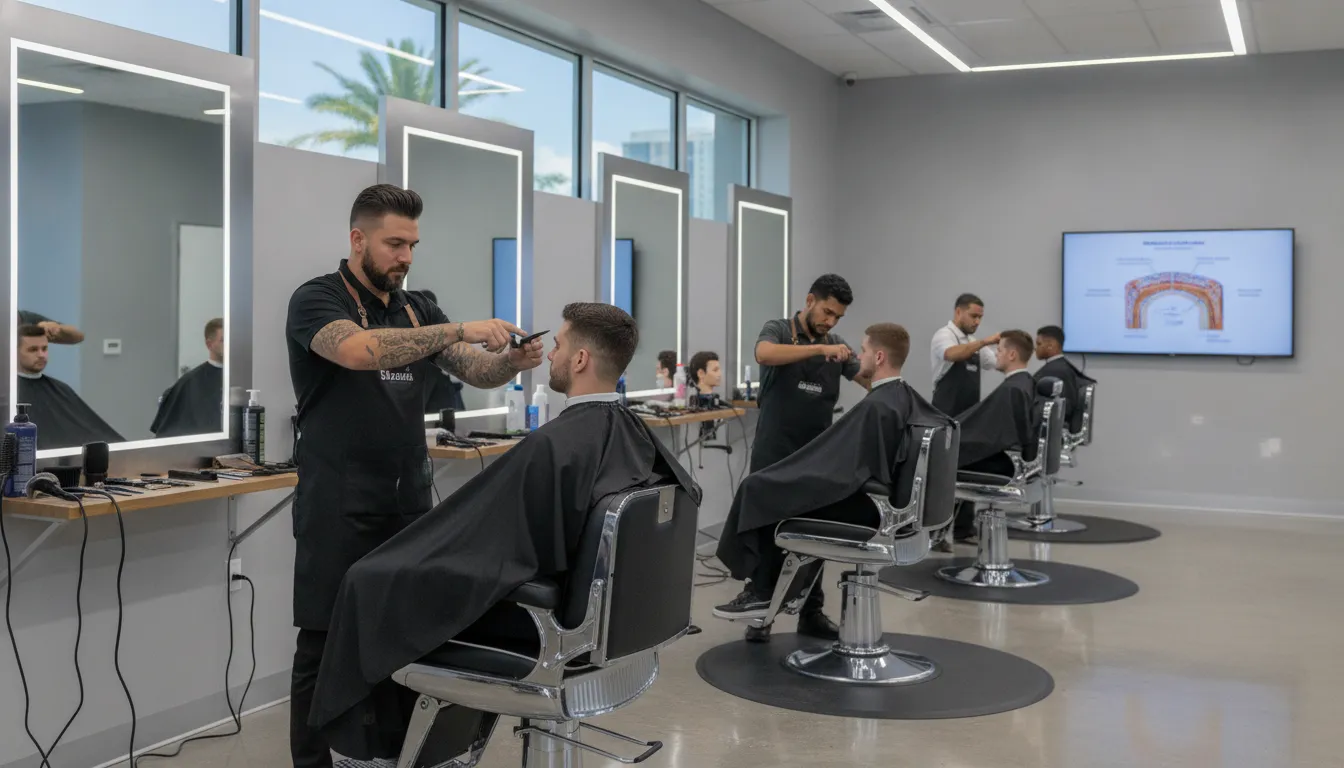
Your barber school should prepare you for more than a licensing exam. It should help you build steady technique, strong sanitation habits, confident consultations, and professional client care. That is why comparing barber training in Fort Myers requires a closer look at what each program includes. Ask how often students work with real clients, how instructors provide feedback, which tools and supplies you must purchase, and whether the schedule fits your responsibilities. Florida Academy’s Restricted Barbering program offers 600 hours of focused training in haircutting, grooming, shaving, styling, sanitation, and service standards, along with career support for students preparing to enter the field.
Key Takeaways
- Match training to your barbering goals: Decide whether a restricted or full license fits the services you want to provide, then confirm the program’s hours and license outcome.
- Compare the full student experience: Review clinic practice, curriculum, schedule, attendance rules, supplies, licensing preparation, instructors, and total costs before enrolling.
- Plan for employment from the start: Ask about financial aid, campus tours, résumé support, interview preparation, employer connections, and placement assistance to prepare for your first barbering role.
Compare Barber Training Programs in Fort Myers
Choosing a barber school in Fort Myers involves more than comparing advertised tuition or selecting the shortest program. First, identify the Florida license you want and the services you hope to offer. Then compare each school’s training hours, curriculum, clinic experience, schedule, total cost, and career support.
A good program should give you time to develop technical skills, practice professional client care, and prepare for the licensing process. Pay attention to what each school includes, too. Some programs focus on restricted barbering services, while others add chemical services, business lessons, or marketing training.
Florida Academy’s 600-Hour Restricted Barbering Program
Florida Academy offers a 600-hour Restricted Barbering program designed to prepare students for Florida Restricted Barber licensure. Students can complete the program in approximately eight months, depending on their schedule and attendance. The curriculum covers haircutting, grooming, shaving, styling, sanitation, and client service.
Students also practice in a supervised student clinic or salon environment. Working with real clients helps them connect classroom instruction to everyday barbering responsibilities while developing technical and communication skills. Visit the Restricted Barbering program page to review current information about the curriculum, program length, costs, and admissions requirements.
Florida Academy’s Student Clinic and Career Support
Hands-on practice gives students an opportunity to improve their technique, speed, and confidence before entering the workforce. At Florida Academy’s student clinic, students perform services under supervision and practice consultations, client care, sanitation, and professional service standards.
Career preparation is another part of the student experience. Florida Academy’s Career Services may assist with résumé writing, interview preparation, job-search strategies, professional development, and employer connections. Employment is not guaranteed, but these resources can help students prepare for applications and conversations with prospective employers.
Compare Licenses, Practice, Schedules, Costs, and Support
Florida Academy’s 600-hour program may suit students seeking focused preparation for Florida Restricted Barber licensure in approximately eight months. Longer 900-hour programs may include broader barbering, chemical service, business, or marketing instruction. Confirm each program’s licensing outcome before making a decision.
Cost comparisons should include more than tuition. Ask each school for a complete estimate covering registration, books, tools, uniforms, supplies, examination fees, licensing fees, and other required expenses.
Finally, compare clinic access, instructor support, schedules, financial-aid resources, and career services. A campus visit and conversation with admissions can help you determine which program fits your goals, responsibilities, and preferred career path.
Choose the Florida Barber License That Fits Your Goals
Florida barber training can lead to different career paths, so compare license options before you enroll. The right choice depends on the services you want to provide, the settings where you want to work, the amount of training you can complete, and your long-term plans.
Start by looking beyond the program title. Review the total training hours, curriculum, license outcome, schedule, student clinic experience, and estimated cost. Then confirm that the program meets the current requirements of the Florida Department of Business and Professional Regulation, or DBPR.
Florida Academy’s Restricted Barbering program is designed to prepare students for Florida Restricted Barber licensure through instruction in haircutting, grooming, shaving, styling, sanitation, and client service. This focused training may be a practical fit for students who want to enter the barbering field without committing to a longer program.
A longer program may suit someone who wants broader training in areas such as chemical services, hair coloring, advanced styling, business, or marketing. Neither path is automatically better. The best option depends on the services you want to offer and the type of barbering career you plan to build.
Before choosing a school, ask admissions staff to explain the license you may pursue after graduation, the exams or applications that follow, and the services allowed under that license.
Earn a Restricted Barber License in 600 Hours
Florida Academy’s Restricted Barbering program requires 600 hours of training. Students study core barbering skills, including haircutting, clipper work, shaving, styling, sanitation, and professional client care. The program is structured for people who want focused preparation for entry-level barbering work.
During training, you can develop the technical and customer-service skills needed to work with clients safely and professionally. You will also learn the importance of consultation, cleanliness, infection control, and consistent service quality.
After meeting the program requirements, graduates may be eligible to receive a Florida Academy diploma and submit the appropriate application to DBPR for testing. Review the current program information and ask how the curriculum supports the Restricted Barber license process before enrolling.
Earn a Full Barber License Through Expanded Training
A full barber program generally includes more training than a restricted barber pathway. Depending on the school and its curriculum, subjects may include advanced haircutting, fades, beard grooming, straight-razor shaving, skin care, hair coloring, chemical services, business practices, and marketing.
Ask the school to explain which license its program supports and which services graduates may perform. Program names can differ between schools, and completing more hours does not remove the need to meet Florida’s current application, examination, and eligibility requirements.
Confirm 900-Hour Program License Outcomes
A 900-hour program may offer expanded instruction, but the number of hours alone does not tell you which license you can pursue. Ask each school to put the license outcome in writing.
Before enrolling, request written information about the program’s license outcome. Ask whether graduates prepare for a restricted license, a full license, or another credential. You should also confirm which services that credential permits and whether additional state requirements apply after graduation.
The Florida DBPR barbering resources include current information about barber licenses, applications, rules, and related procedures. Compare those requirements with the school’s catalog and admissions materials. If the information is unclear, contact DBPR directly before making your enrollment decision.
Complete DBPR Applications, Exams, HIV/AIDS Training, and Fees
Finishing barber school may be only one part of the licensing process. Depending on your license pathway, you may need to submit an application to DBPR, complete required examinations, provide supporting documents, finish HIV/AIDS education, and pay application or examination fees.
Florida Academy’s catalog explains that students who successfully complete the Restricted Barbering program may receive a diploma and have the opportunity to submit a DBPR application for testing. Read the Florida Academy catalog for program details, then confirm current state requirements before applying.
Keep copies of your diploma, training records, identification documents, examination information, and completion certificates. Make sure your name and other details match across your documents. Careful preparation can help prevent delays when you move from training to licensure.
Match Your License to Your Career Plans
Think about the services you want to provide before choosing a barbering program. A restricted license may fit someone focused on haircutting, grooming, shaving, and related services in a barbershop or salon. A full license may be a better match for someone who wants broader preparation that can include coloring, chemical treatments, or additional skin care services.
Your preferred work setting matters, too. You may want to join an established shop, work in a salon, rent a booth, provide mobile services, or eventually open your own business. Compare each program’s clinic practice, schedule, cost, career support, and license eligibility with those goals.
If you are still deciding, speak with Florida Academy’s admissions team. You can learn more about its career services and placement support while discussing training options, licensing steps, and potential employment settings.
Find Out How Long Barber Training Takes
Barber school length depends on the license you want, the number of hours your program requires, and how often you attend class. Your timeline may also change based on whether you enroll full time or part time, choose day or evening classes, or need to make up missed hours.
Before you enroll, ask each school for a realistic completion estimate. Find out how the schedule affects your graduation date, what happens when you miss class, and which licensing steps you will need to complete after training. These details can help you plan your work schedule, transportation, childcare, and finances.
Florida Academy’s Restricted Barbering program requires 600 clock hours and can be completed in approximately eight months. You can review the current program details, schedule options, and enrollment information on the Restricted Barbering program page.
Complete Florida Academy’s 600 Hours in About Eight Months
Florida Academy’s Restricted Barbering program includes 600 clock hours of career training and takes approximately eight months to complete. The program is designed to help students develop practical barbering skills while preparing for the next step toward professional licensure in Florida.
During training, students learn skills related to haircutting, grooming, shaving, sanitation, and client service. The eight-month estimate gives you a useful starting point for planning your education, but your personal completion date may depend on attendance, schedule, and progress.
When you speak with admissions, ask for a projected graduation date based on your preferred start date and enrollment pace. You can also ask how the school tracks completed hours and what requirements you must meet before finishing the program.
Choose Day or Evening Classes
Florida Academy offers day and evening class options, which can make barber training easier to fit around work, family, or other responsibilities. Day classes may suit students who can dedicate most of their weekdays to school. Evening classes may work better if you have a daytime job or regular daytime commitments.
Look beyond the listed class times when comparing schedules. Ask when practical lessons and student clinic hours take place, whether attendance is required for every session, and when instructors are available for questions or extra practice.
A schedule only helps if you can follow it consistently. Before selecting day or evening classes, compare the commute, your weekly responsibilities, and the time you need for studying and preparation. A realistic schedule can help you complete your required hours without creating unnecessary disruptions.
Set a Full-Time or Part-Time Pace
Students may be able to attend barber training full time or part time. Full-time enrollment may help you complete the required hours sooner, while part-time attendance can make school more manageable alongside employment, caregiving, or other personal responsibilities.
Consider how much time you can commit each week before choosing your pace. Include class time, travel, studying, practice, and any required clinic hours in your plan. It is better to choose a schedule you can maintain than to select a faster option that regularly conflicts with your obligations.
Ask Florida Academy how full-time and part-time enrollment affect your expected graduation date, tuition payments, clinic experience, and access to coursework. An admissions representative can help you compare the options and create a plan based on your circumstances.
Follow Attendance and Make-Up Policies
Attendance affects how quickly you complete barber school. Missing class can leave gaps in your technical training, reduce your time practicing with clients, and add hours to your overall schedule. Review the school’s attendance requirements before enrolling so you understand the policies for absences, tardiness, and missed clock hours.
Make-up classes may be available when students miss scheduled training, but the details depend on the school’s policies. Ask whether make-up hours require advance approval, when they are offered, and whether they affect your projected graduation date.
If an unexpected situation affects your attendance, contact the school as soon as possible. Early communication gives you more time to understand your options and create a plan for completing missed work. You can also ask whether make-up training is available through the barbering program and how the process works.
Plan Your Start Date, Graduation, and Licensing Steps
Choose a start date that gives you enough time to arrange transportation, supplies, finances, and personal responsibilities. Before classes begin, confirm your schedule, required materials, attendance expectations, and estimated completion date. Keep these details together so you can refer to them throughout your training.
As you approach graduation, ask whether you have completed all required hours and program requirements. Florida Academy graduates receive a diploma after successfully completing the Restricted Barbering program. Graduates can then apply to the Florida Department of Business and Professional Regulation, or DBPR, for testing.
The licensing process may include an application, supporting documents, exams, and other state requirements. Review the current requirements through the Florida DBPR licensing website and confirm the next steps with Florida Academy. Planning these details before graduation can help you move from school into the licensing process with fewer surprises.
Build Barber Skills Through Hands-On Training
Barbering is a practical profession, so reading about techniques is only one part of learning. You also need repeated practice with clippers, shears, razors, styling products, and sanitation procedures. Hands-on training gives you time to develop control, improve precision, and become more comfortable working with different hair types, textures, and client requests.
Florida Academy’s Restricted Barbering Program combines classroom instruction with practical training. Students study barbering services, safety procedures, infection control, and professional communication while practicing in a supervised environment. This approach connects technical skills with the client-care habits you will use in a barbershop, salon, or other grooming setting.
The services included in your education can depend on the program and license track you choose. When comparing schools, ask which services you will practice, how much time you will spend in a student clinic, and whether tools, supplies, and clinic services are included. These details can help you choose a program that fits your career plans.
Practice Clipper Cuts, Fades, Tapers, Shear Work, Blending, and Styling
A strong foundation in cutting techniques helps you serve clients with different hair types, lengths, and style preferences. Barber training may include clipper cuts, fades, tapers, shear work, blending, and basic styling. You can practice creating clean lines, managing transitions between lengths, and choosing the right tool for each part of a service.
Instructors can also help you refine details such as symmetry, weight removal, neckline shape, and finishing work. Repetition builds hand control and helps you recognize where a cut needs refinement. Ask for feedback after each service and keep notes on techniques that produce consistent results. Over time, this process can help you develop a reliable cutting method and a portfolio to share with future employers.
Learn Beard, Mustache, Facial, Neck, and Straight-Razor Grooming
Many clients expect more than a haircut, which makes facial-hair services an important part of barber training. You may practice shaping beards and mustaches, cleaning up necklines, defining facial edges, and preparing the skin for shaving. These services require attention to proportion, growth patterns, skin sensitivity, and the client’s preferred level of maintenance.
Straight-razor work also requires careful preparation and control. Training can cover tool handling, shaving direction, pressure, skin positioning, and post-service care. You should learn how to discuss a client’s shaving habits and identify concerns before beginning. Florida Academy includes core grooming services in its barbering curriculum, helping students prepare for a broader range of client needs.
Practice Shampooing, Blow-Drying, Consultations, and Hair and Scalp Analysis
Every service begins with understanding the client’s needs. Barber training can help you practice consultations that cover a client’s preferred style, daily routine, maintenance expectations, and product use. Asking clear questions before you begin can reduce misunderstandings and give you a practical plan for the service.
You may also learn shampooing, blow-drying, product selection, and basic hair and scalp analysis. Observing texture, density, growth patterns, and hair condition can help you choose tools and adjust your technique. A scalp analysis may also reveal sensitivity or other concerns that require a careful approach. Practicing these conversations in a student clinic can help you become more attentive and professional with clients.
Follow Sanitation, Disinfection, Infection Control, and Safety Standards
Clean tools and safe work habits protect you, your clients, and your future workplace. Barber training covers sanitation, disinfection, infection control, and procedures for handling tools and work surfaces. You may learn how to clean equipment between services, store implements correctly, manage disposable items, and respond to accidental exposure or minor injuries.
These steps should become part of your routine, not something you remember only when an instructor is watching. Florida Academy identifies sanitation and infection control as key parts of its Restricted Barbering Program. As you practice, pay attention to the order of each procedure and ask questions when a rule is unclear. You can also review current requirements from the Florida Department of Business and Professional Regulation before applying for licensure.
Serve Real Clients in a Supervised Student Clinic
Working with real clients helps you apply classroom lessons in a realistic setting. A supervised student clinic may give you practice with consultations, service timing, tool selection, sanitation, and client communication. You also learn how to adjust when a client’s hair, skin, or expectations differ from what you expected.
Clinic experience can help you develop patience and professionalism alongside technical skills. You may need to explain a service, confirm the desired result, recommend home care, and respond respectfully to feedback. Instructors remain available to guide your work and correct issues before they become habits. When comparing schools, ask how often students serve clients, which services they perform, and how instructors evaluate each appointment.
Perform Color and Chemical Services for Your License Track
Some barber career paths include color or chemical services, while others focus more narrowly on cutting and grooming. If you want to offer hair coloring, chemical texture treatments, or other regulated procedures, confirm that your program includes the required instruction and practice. The available services can depend on the school, curriculum, and license you plan to pursue.
Ask admissions staff how the program prepares students for the intended license and whether additional education is needed for expanded services. Learning to perform chemical services safely involves more than applying a product. Training may cover consultations, strand or sensitivity considerations, processing times, protective measures, product handling, and proper cleanup. Choosing a license track early can help you select education that supports your long-term goals.
Prepare for the Theory and Practical Licensing Exams
Licensing preparation gives you a clear target throughout barber school. Your training may include theory topics such as hair and scalp care, tools, products, sanitation, safety, client services, and Florida regulations. Practical preparation focuses on completing services correctly while following required procedures.
Use class time to identify areas that need more practice, then ask instructors for specific feedback. Create a study schedule for terminology and regulations, organize your notes by service, and rehearse each practical step in the correct order. Before applying, review the DBPR barbering information for current application instructions, examination details, fees, and education requirements. Confirm the official information before moving forward, since licensing requirements and application procedures may change.
Calculate Barber Training Costs in Fort Myers
Planning for barber school costs means looking beyond the tuition price. Your budget may need to cover registration, administration fees, tools, books, uniforms, supplies, licensing expenses, transportation, childcare, and other personal costs. Listing these expenses before enrolling gives you a more realistic view of what training may require.
Florida Academy provides an estimated cost of attendance for its Restricted Barbering program. Use that figure as a starting point, then contact the school to confirm current charges, payment deadlines, financial aid eligibility, and any expenses that may apply to your situation. The Florida Academy Programs page is also a useful place to review the school’s available training options as you compare programs.
Review Florida Academy’s Cost of Attendance
Florida Academy publishes an estimated total cost for its Restricted Barbering program. The estimate includes tuition, supplies, administration fees, and registration fees. Reviewing the full estimate can help you avoid comparing schools based only on their advertised tuition.
The school’s cost of attendance document explains the charges included in the estimate. Administration and registration fees are mandatory and nonrefundable, according to the document. Confirm the current total with the admissions team before enrolling, since fees, supply requirements, and personal expenses may change.
Ask when each payment is due and whether the estimate applies to your preferred schedule. A written breakdown can help you plan for deposits, recurring payments, and purchases needed before classes begin.
Budget for Tuition, Registration, Tools, Books, Uniforms, and Supplies
Your barbering budget should include every item required for classroom and student clinic training. In addition to tuition, you may need to pay registration and administration fees, which can be mandatory and nonrefundable. Confirm these costs before signing enrollment documents.
Tools and supplies may include clippers, trimmers, guards, shears, combs, brushes, razors, capes, and sanitation products. You may also need books, uniforms, or specific clothing for practical training. Ask Florida Academy for a current supply list and identify which items are required, included, or optional.
It is also helpful to ask whether the school provides equipment or expects students to purchase a complete kit. If you already own professional tools, confirm whether you can use them during training. This may help you avoid buying duplicate equipment.
Plan for Licensing, Exam, Application, and HIV/AIDS Costs
Completing barber school is one step toward working legally in Florida. You may also need to complete licensing applications, examinations, HIV/AIDS education, and other state requirements. Requirements and fees depend on the license you pursue, so check the current information from the Florida Department of Business and Professional Regulation.
Ask Florida Academy which licensing steps apply to the Restricted Barbering program. Confirm whether HIV/AIDS training is included in your coursework or requires separate completion. Setting aside money for these requirements can help you move from graduation to licensure without an unexpected delay.
Account for Transportation, Childcare, and Other Expenses
Personal expenses can make up a meaningful part of your total training budget. If you commute to campus, estimate fuel, parking, public transportation, or rideshare costs for the full program. If you have children, include the cost of childcare during class and clinic hours.
You may also need to plan for meals, internet access, mobile service, replacement tools, and other daily expenses. If attending school means reducing your work hours, account for the income difference when reviewing your budget.
Florida Academy’s cost-of-attendance information identifies transportation and personal expenses as costs students should consider. Write down your regular monthly bills, then compare them with your expected training schedule. This can show whether you need savings, family support, a flexible work arrangement, or a payment plan before classes begin.
Explore Financial Aid, Scholarships, Military Benefits, and Payment Plans
If paying for training upfront is difficult, speak with Florida Academy’s Financial Aid team before making enrollment decisions. Students who qualify may have access to financial aid, scholarships, military education benefits, or payment arrangements. Availability, eligibility, deadlines, and covered expenses vary, so ask for details specific to your situation.
Gather documents that may be requested during the financial aid process, including identification, income information, tax records, and military service documents when applicable. Ask whether financial assistance can apply to tuition, supplies, registration fees, or other approved education expenses.
You should also request a written estimate showing your expected financial aid, remaining balance, and payment schedule. Florida Academy’s Career Services resources provide information about support available as students prepare for employment, but career assistance does not replace a personal financial plan. Make sure you understand which costs you will need to cover yourself.
Compare Total Attendance Costs, Not Tuition Alone
When comparing barber schools in Fort Myers, create a complete cost list for each program. Include tuition, registration and administration fees, tools, books, uniforms, supplies, licensing expenses, transportation, childcare, and personal costs. A school with a lower advertised tuition may not have the lowest overall cost if it excludes several required items.
Ask each school for a written cost breakdown. Confirm which fees are refundable, which supplies are included, whether equipment is provided, and which expenses may change. You can also ask whether the program includes licensing preparation, practical clinic materials, or required health and safety training.
Cost matters, but it should not be your only comparison point. Review each school’s schedule, hands-on practice, instructors, student clinic, and career support alongside the price. The right program should fit your budget and provide the training and preparation you need to begin pursuing barbering work.
Meet Barber School Admission Requirements
Applying to barber school involves more than completing an online form. Before you enroll, you’ll need to confirm that you meet the admission requirements, gather the right documents, review available funding, and choose a schedule you can maintain. Handling these details early can make the process more straightforward and help you begin training with realistic expectations.
Florida Academy’s Restricted Barbering program combines classroom instruction with hands-on practice in barbering, sanitation, client service, and workplace preparation. The steps below can help you prepare for your admissions conversation and identify questions to ask before selecting a start date.
Confirm Age, Education, Identification, and School Requirements
Barber training programs may have specific admission requirements related to age and education. For Florida Academy’s Restricted Barbering program, applicants must be at least 18 years old on the first day of class. Applicants also need a high school diploma, an equivalent credential, or a GED with a passing score.
You may need to provide a government-issued photo ID, education records, and other enrollment documents. Requirements can vary depending on your background and the program you choose, so confirm the details with the school before applying. Reviewing Florida Academy’s program information can help you compare training options and prepare for your admissions appointment.
Submit an Application, Meet With Admissions, and Tour Campus
After confirming that you meet the basic requirements, complete the application and arrange a meeting with an admissions representative. Use this conversation to discuss the program’s length, start dates, class schedule, attendance expectations, and licensing pathway. You can also explain your career goals and ask whether the program matches the type of barbering work you want to pursue.
A campus tour gives you a better sense of the learning environment. Ask to see the classrooms, student clinic, workstations, equipment, and practice areas. Notice whether the facility appears clean, organized, and suitable for hands-on instruction. A tour is also a good time to ask how often students work with clients under instructor supervision.
Review Financial Aid and Gather Required Documents
Before enrolling, ask for a complete explanation of the program’s cost of attendance. This may include tuition, registration charges, books, tools, uniforms, supplies, and other required expenses. You can also ask about scholarships, financial aid, military education benefits, and payment options that may be available to eligible students.
Gather your documents early, including identification, education records, and financial aid paperwork. Having these materials ready can help prevent enrollment delays. Florida Academy’s career services and student support resources can also help you understand the support available as you prepare for training and employment.
Be sure to ask when each payment is due and whether deposits or registration fees are refundable. Request written details about tool kits, supplies, and other required purchases so you can build an accurate school budget.
Confirm Enrollment Dates, Transfer Credits, and Prior Training
Ask the admissions team about upcoming enrollment dates and whether you can choose from multiple start dates. Finding a start date that works with your job, family responsibilities, and transportation plans can make it easier to attend consistently.
If you have completed barbering, cosmetology, or related training elsewhere, bring transcripts, certificates, or completion records to your admissions meeting. The school can explain whether your previous education may qualify for transfer credit or advanced placement. Do not assume that prior experience will reduce your required training hours. Ask how the school reviews previous coursework, which documents it needs, and whether records must come directly from your former school.
Prepare Supplies and Review Attendance Policies
Before classes begin, request a current list of required tools, books, uniforms, and personal supplies. Barbering students may need clippers, guards, shears, combs, brushes, and sanitation materials. Ask whether the school provides a kit, which items you must purchase separately, and whether specific brands or equipment types are required.
Attendance is equally important. Barber students build technique through regular classroom instruction and repeated practice, so missed time may affect progress or the date you complete the program. Ask how the school handles absences, late arrivals, emergencies, holidays, and make-up hours. Review the attendance policy carefully, then choose a schedule that allows you to participate consistently.
Explore Barber Careers in Fort Myers
Barber training can prepare you for more than one job title. After completing your education and meeting Florida’s licensing requirements, you can explore opportunities in traditional barbershops, salons, resorts, hotels, grooming businesses, and independent settings. Your best fit may depend on the services you want to provide, the clients you hope to serve, and the amount of business responsibility you want to take on.
As you compare career paths, look beyond the job title. Consider the daily schedule, compensation structure, workplace culture, and opportunities to learn from experienced professionals. It can also help to think about whether you prefer a steady employee position, a flexible independent arrangement, or a long-term goal of owning a shop.
Florida Academy’s barbering program includes technical instruction and hands-on training to help students prepare for professional work. Before applying for positions, review the Florida barber licensing requirements and confirm that your education, examinations, and application materials meet state expectations.
Work in Barbershops, Salons, Resorts, Hotels, and Grooming Businesses
Many barbers begin in barbershops, where a steady flow of clients can help them improve speed, consistency, consultations, and customer service. Salons may offer a broader service menu and the chance to work alongside cosmetologists, estheticians, and other beauty professionals. Grooming businesses may focus on haircuts, beard care, styling, and other services for men and families.
Resorts and hotels can provide another option, especially in areas that serve visitors seeking convenient personal-care services. These workplaces may emphasize appointment management, guest service, professional presentation, and repeat business. When reviewing openings, ask about required licenses, available training, scheduling, commission rates, tips, benefits, and advancement opportunities. A workplace that offers mentoring may be especially helpful during your first year after graduation.
Pursue Freelance, Mobile, Booth-Rental, or Shop-Ownership Opportunities
Some barbers prefer freelance or mobile work because it gives them more control over their schedules and service areas. A mobile barber may travel to clients’ homes, offices, events, or other approved locations. This arrangement requires careful planning for transportation, equipment, sanitation, booking, payment processing, insurance, and recordkeeping.
Booth rental and independent barber suites offer another path. You may pay a fixed rental amount while managing your own appointments, supplies, taxes, and marketing. Shop ownership involves additional responsibilities, including budgeting, permits, inventory, hiring, payroll, and customer retention. Before choosing an independent model, gain experience in a professional shop, learn how the business operates, and calculate your expected expenses. A clear plan can help you decide whether independence fits your goals and financial situation.
Become a Platform Artist, Product Educator, or Beauty-Brand Representative
Barbers who develop strong technical and communication skills may pursue education and brand-focused roles. Platform artists demonstrate techniques at industry events, schools, and professional gatherings. Product educators teach other professionals how to use clippers, styling products, color systems, or other tools. Beauty-brand representatives may assist with product demonstrations, training, sales, and customer relationships.
These positions often require more than cutting and styling ability. You may need presentation skills, product knowledge, a polished portfolio, and confidence speaking with groups. Start by learning how products perform on different hair types and by documenting your work with clear, well-lit photos. Ask instructors, employers, distributors, and experienced barbers about professional events and training opportunities. Building relationships over time can help you hear about brand and education roles before they are widely advertised.
Build a Portfolio, Client-Service Record, and Professional References
A portfolio gives employers and potential clients a quick way to assess your work. Include photos that show different cuts, fades, beard designs, styling techniques, and hair textures. Use consistent lighting and framing so the results are easy to evaluate. Always ask clients for permission before taking or sharing photos, and remove identifying information when appropriate.
Your service record matters as well. Track the services you perform, the techniques you practice, and the feedback you receive. A supervised student clinic can help you develop consultations, sanitation habits, time management, and client communication. Florida Academy’s career services include support with resumes, interviews, and job-search preparation. Instructors, clinic supervisors, and previous employers may also become professional references, so maintain those relationships and ask for permission before listing someone.
Research Local Pay, Commissions, Tips, Benefits, and Booth Rent
Barber income can vary based on experience, location, schedule, services, client volume, and payment structure. A position may offer hourly pay, commission, tips, or a combination. Some employers provide benefits or paid training, while independent barbers generally manage their own taxes, supplies, insurance, and retirement planning.
Ask detailed questions before accepting a position. Find out whether commissions apply to every service, how tips are distributed, and whether you pay for tools, products, uniforms, or booking software. If you are considering booth rental, include rent, supplies, marketing, transportation, payment processing, and slower weeks in your budget. Compare expected take-home income rather than looking only at the advertised pay rate. This approach can help you evaluate employee positions and independent work on equal terms.
Assess Employer Demand and Available Opportunities
Review current openings at barbershops, salons, resorts, hotels, spas, and grooming companies in the Fort Myers area. Job listings can show which services employers request, whether they prefer experienced barbers, and which schedules are common. Local business directories, professional groups, school connections, and referrals may reveal opportunities that do not appear on major job boards.
Pay attention to recurring requirements. Employers may seek strong customer service, reliable attendance, retail knowledge, social media experience, or availability during evenings and weekends. Prepare a resume that highlights your hands-on training, clinic experience, certifications, and related work history. Keep your portfolio easy to view on a phone, and tailor your introduction to each employer. A thoughtful follow-up message after an interview or shop visit can show professionalism and genuine interest.
Use Florida Academy’s Career Services, Employer Partnerships, and Placement Assistance
Career support can make the transition from school to employment more organized. Florida Academy’s career services resources cover areas such as resume preparation, interview practice, job-search strategies, and career planning. Use these resources to explain your technical skills clearly, prepare answers to common interview questions, and identify barbering roles that fit your schedule and interests.
Ask how the school connects students and graduates with employers, including whether job leads, career events, or employer introductions are available. Employer relationships can help you learn about openings, but your follow-through remains important. Apply consistently, respond promptly, attend interviews prepared, and continue building your portfolio. Combining practical training with career planning and professional relationships can help you move from barber school into a position that supports your long-term goals.
Compare Barber Schools With This Checklist
Choosing a barber school involves more than comparing program names or advertised tuition. The right program should prepare you for Florida’s licensing process, give you regular opportunities to practice, and fit your schedule and budget. It should also provide support while you build the technical and professional skills employers expect.
As you compare schools in Fort Myers, request written details about program hours, curriculum, fees, supplies, class schedules, student clinic access, and career services. Confirm that the information applies to the current program, since costs, schedules, and licensing requirements can change. Florida Academy’s Restricted Barbering program provides a helpful reference point for comparing course content, practical training, and student support.
A campus visit can reveal details that a website may not show. Look at the condition of the workstations, the organization of the clinic, and the way instructors interact with students. Ask whether the environment feels focused, respectful, and supportive. Bring the same list of questions to each school so you can make a fair comparison based on your goals.
Confirm State Approval, Accreditation, and License Eligibility
Before enrolling, ask how the school’s program connects to Florida barber licensing requirements. Confirm the number of clock hours, the license pathway it supports, and the steps you must complete after graduation. You should also ask whether the school is licensed or approved by the appropriate state agencies and whether it holds recognized accreditation.
Florida Academy’s Restricted Barbering program is designed to prepare students for Florida Restricted Barber licensure. After completing the program, students receive a Florida Academy diploma and may apply to the Florida Department of Business and Professional Regulation for testing. Ask admissions staff to explain the application process, exam requirements, HIV/AIDS training, fees, and any documents you will need.
Compare Hours, Curriculum, Instructors, and Facilities
Program length matters, but the number of hours tells only part of the story. Compare what those hours include, such as haircutting, clipper work, fading, blending, shaving, beard grooming, styling, sanitation, client service, and professional conduct. A well-rounded curriculum should support both licensing preparation and everyday barbershop work.
Ask who teaches each class and how much time instructors spend demonstrating, observing, and correcting techniques. Compare the facilities, too. Are there enough stations, tools, mirrors, sinks, and practice materials for students to work consistently? Florida Academy describes its training as hands-on and focused on the services covered in its barbering curriculum. Request a current course outline from every school you are considering.
Evaluate Clinic Access, Client Practice, and Safety Standards
Hands-on practice should be central to your comparison. Ask when students begin working with clients, how many clinic hours they can expect, and whether licensed instructors supervise services. Regular client practice helps you improve clipper control, fading, blending, shaving, beard grooming, service timing, and communication.
Safety standards deserve equal attention. Find out how the school teaches tool disinfection, infection control, sanitation, blood exposure procedures, and safe razor and chemical handling. Ask how instructors provide feedback and correct problems during a service. Florida Academy’s program includes practice in a supervised student clinic or salon environment, where students develop barbering skills and professional service habits while working with clients.
Review Day, Evening, and Part-Time Schedules
Your schedule can determine whether you complete training while managing work, family, or other responsibilities. Compare class start times, meeting days, evening availability, holidays, and attendance expectations. Some schools may offer full-time training, while others provide evening or part-time options.
Ask how often classes meet and whether you can change schedules after enrollment. You should also find out how the school handles absences, tardiness, make-up hours, and missed clinic appointments. Even a flexible program may require you to complete every required hour before graduation.
Florida Academy offers day and evening classes for students who need scheduling choices. During your visit, request a sample weekly schedule and account for commuting, studying, practice, and personal responsibilities. A realistic plan can help you maintain steady attendance.
Compare Tuition, Supplies, Financial Aid, and Total Costs
Tuition is only one part of the cost of barber school. Request an itemized estimate that includes registration, books, uniforms, tools, equipment, supplies, and student fees. Ask whether the school provides a kit and what it contains. If you need additional clippers, shears, razors, or mannequin heads, include those purchases in your budget.
Review the school’s cost of attendance information for current figures. Also ask about transportation, childcare, licensing applications, examinations, and HIV/AIDS training.
Compare financial aid resources, scholarships, military benefits, and payment options. Ask when payments are due and whether financial assistance may cover tools or other education-related expenses. Comparing the complete attendance cost gives you a clearer financial picture than comparing tuition alone.
Assess Career Coaching, Employer Connections, and Job-Search Support
A strong barber school should help you prepare for the transition from student to working professional. Ask whether career services include resume writing, interview preparation, job-search strategies, portfolio guidance, and professional introductions. Find out whether students receive help identifying barbershops, salons, resorts, hotels, or other grooming businesses with open positions.
Employer relationships can provide useful connections, but ask how they work in practice. Does the school invite employers to campus? Are students referred to available positions? Can graduates continue using career services after completing the program? You can also ask whether the school tracks placement outcomes and what types of positions recent graduates have found.
Florida Academy’s Career Services team may assist with resumes, interviews, job-search preparation, and employer connections. Career support cannot promise employment, but it can help you present your skills clearly and make a plan for pursuing barbering opportunities in the Fort Myers area.
Ask Key Questions During Your Campus Tour
A campus tour lets you compare the student experience in person. Before you visit, write down your questions and bring a notebook or phone to record answers. Ask each school:
- Is the program approved for the license I want to pursue?
- How many hours must I complete before graduation?
- How much training involves hands-on clinic practice?
- How many students share each instructor, station, or clinic area?
- Which tools, books, uniforms, and supplies are included?
- Are day, evening, or part-time schedules available?
- How does the school handle missed hours and absences?
- What financial aid, scholarships, military benefits, or payment plans may be available?
- What career services and employer connections are offered?
- What steps follow graduation, including applications, exams, and fees?
You can request program information or schedule a tour with Florida Academy to discuss these questions with the admissions team. Notice whether staff provide clear answers, share written information, and take time to understand your career goals.
Take Your Next Step With Florida Academy
Choosing a barbering program is a practical decision, but you do not have to make it alone. A campus visit, admissions conversation, and financial-aid review can help you understand what training will look like before you enroll. Florida Academy’s Restricted Barbering program combines classroom instruction with hands-on practice, giving students opportunities to develop technical and client-service skills.
Before applying, confirm the details that matter most to you, including the program schedule, attendance expectations, total cost, supplies, licensing steps, and available student support. Review Florida Academy’s barbering program information and prepare a list of questions for admissions.
Tour the Campus and Student Training Areas
A campus tour gives you a clearer picture of your daily learning environment. Look at the classrooms, workstations, sanitation areas, equipment, and student clinic. Ask how often students perform services, how instructors provide feedback, and how the program prepares you to work with different hair types, textures, and client requests.
Florida Academy students practice in a supervised student clinic or salon environment with real clients. This experience can help you develop skills beyond cutting and styling, including consultations, communication, service timing, sanitation, and professional conduct.
During your visit, ask whether you can observe a class or speak with current students. Their experiences may help you understand the pace of training and the support instructors provide. You can also learn more about the school’s educational approach by reading its history and mission.
Discuss Program Length, Licenses, Schedules, and Attendance
Florida Academy’s Restricted Barbering program includes 600 clock hours and can be completed in approximately eight months. Day and evening classes are available, which may help you fit training around work, family responsibilities, or other commitments.
Ask admissions to explain what the restricted barber license permits, which services are included in the curriculum, and what steps you must complete after graduation. You should also understand how attendance affects your progress. Because clock-hour programs require consistent participation, missed hours may change your expected completion date.
Before choosing a start date, ask about class times, holidays, make-up hours, graduation requirements, and policies that could affect your enrollment. If you expect your work or family schedule to change, discuss your options in advance. Requesting these details in writing can make it easier to plan your training.
Review Financial Aid, Military Benefits, and Payment Options
Ask the Financial Aid team for a complete estimate of attendance costs, rather than looking at tuition alone. Your individual cost may vary. Request a current cost breakdown before enrolling.
Financial aid is available to students who qualify. Ask which forms and documents you need, when to submit them, and how financial aid may affect your payment responsibilities. If you have military experience or education benefits, ask whether the program and your circumstances meet the requirements for available military funding.
Include registration fees, books, tools, uniforms, supplies, transportation, and licensing expenses in your budget. Florida Academy’s financial aid resources can help you prepare questions for your appointment. A detailed estimate makes it easier to compare programs and plan for the full cost of attendance.
Apply to Florida Academy’s Restricted Barbering Program
After reviewing the program, schedule, costs, and admission requirements, contact Florida Academy to begin the application process. Ask about upcoming start dates and confirm which identification, education, and financial-aid documents you need to provide.
After successfully completing the required 600 clock hours, students may be eligible to receive a Florida Academy diploma. The school catalog states that graduates have the opportunity to submit an application to the Florida Department of Business and Professional Regulation for testing. A diploma does not replace Florida’s licensing process, so ask admissions about the application, examination, HIV/AIDS training, and fee requirements.
Career preparation can also begin before graduation. Florida Academy’s career services team offers support related to employment preparation, employer connections, and placement assistance. Ask how these services can help you prepare a résumé, practice for interviews, and search for your first barbering position.
Frequently Asked Questions
How long does Florida Academy’s Restricted Barbering program take?
The program requires 600 clock hours and may take approximately eight months to complete. Your timeline can vary based on attendance, class schedule, and whether you study full time or part time. Day and evening options may be available.
What license does Florida Academy’s barbering program prepare students to pursue?
Florida Academy’s program is designed to prepare students for Florida Restricted Barber licensure. After completing the program, graduates may apply to the Florida Department of Business and Professional Regulation for the next required licensing steps. Confirm current application and examination requirements with DBPR before enrolling.
How much does barber school cost at Florida Academy?
Florida Academy publishes a cost of attendance estimate for the Restricted Barbering program, and financial aid may be available to those who qualify. Ask admissions for a current, itemized estimate that includes tools, books, registration, supplies, and other required expenses.
What skills do students learn in the barbering program?
Students receive instruction in haircutting, clipper work, grooming, shaving, styling, sanitation, infection control, and client service. Supervised clinic practice helps students apply these skills with real clients while developing consultation, communication, and service techniques.
What career support is available after barber training?
Florida Academy’s Career Services team may help with résumés, interview preparation, job-search planning, professional development, and employer connections. These services can help graduates pursue opportunities in barbershops, salons, resorts, hotels, and other grooming businesses, although employment is not guaranteed.